Limited Offer

🚀 List your AI tool on AIForest for free

Small business AI

Best AI tools for small business marketing

Compare AI marketing tools that help small businesses create content, reach customers, follow up with leads, and improve campaigns without a large team.

Who this helps

Small business owners, solo operators, local service providers, ecommerce founders, consultants, and lean marketing teams.

Common use cases

  • Create website copy, social posts, email campaigns, local SEO content, ads, and customer follow-up messages.
  • Research customer pain points, summarize reviews, plan content calendars, and generate campaign ideas.
  • Improve lead capture, CRM notes, nurture sequences, reporting, and repeatable marketing operations.

How to compare

  • Clear ROI for a small team with limited time, budget, and marketing support
  • Ease of use for non-specialists who need practical outputs quickly
  • Support for local SEO, social content, email, lead follow-up, and customer communication
  • Pricing, free plans, integrations, templates, analytics, and data privacy

Small business marketing

How small businesses should build an AI marketing stack

Small businesses need practical AI, not complex platforms

The best AI tools for small business marketing solve everyday problems: writing social posts, improving website copy, sending follow-up emails, generating ad ideas, organizing leads, answering customer questions, and understanding what content to publish next. Most small businesses do not need a massive marketing automation suite on day one. They need tools that save time and help them communicate clearly.

Start with the workflow that blocks growth. A local service business may need review responses, Google Business Profile posts, and quote follow-up. An ecommerce store may need product descriptions, email campaigns, and ad variations. A consultant may need LinkedIn posts, lead magnets, and proposal drafts. Choosing by business model is better than choosing by trend.

Content tools help when they use real business context

AI writing tools can draft blog posts, landing pages, service descriptions, social captions, email newsletters, FAQs, and ad copy. For small teams, this can make consistent marketing possible. But generic AI content rarely performs well. The tool needs your customer profile, offers, pricing, proof, objections, location, tone, and examples of previous work.

Before publishing, add specifics only your business knows: customer stories, local context, product details, photos, comparisons, limitations, and real advice. Search engines and customers both reward useful specificity. AI can produce a first draft quickly, but the owner or marketer should turn it into something trustworthy. The best content tool makes that editing process faster, not optional.

Local SEO and review workflows are underrated

For many small businesses, local visibility matters more than national SEO. AI can help create location pages, service FAQs, Google Business Profile updates, review response drafts, neighborhood content, and customer education posts. It can also summarize reviews to find common praise, complaints, and language customers use when describing the service.

Be careful with location pages and SEO content. Do not create thin pages that only swap city names. Each page should include useful information about the service area, customer needs, examples, pricing factors, process, and proof. AI can help structure the content, but real local knowledge makes it worth indexing. Quality matters more than publishing dozens of weak pages.

Email and lead follow-up can recover lost revenue

Small businesses often lose leads because follow-up is slow or inconsistent. AI tools can draft responses, create nurture emails, summarize inquiries, segment leads, and prepare reminders. This is valuable because many marketing wins come from better handling of existing demand rather than buying more traffic. A fast, helpful response can turn more visitors into customers.

The best follow-up tools connect to your CRM, email, forms, or scheduling workflow. They should help personalize messages based on the customer’s request, service interest, timeline, and objections. Avoid sending obviously automated messages that ignore context. AI should make follow-up more relevant and timely, not colder.

Ads and social tools need human strategy

AI can generate ad copy, campaign angles, creative briefs, headlines, hooks, audience ideas, and social calendars. This is useful for testing more variations without hiring a large team. However, ads still need a clear offer, targeting, landing page, budget discipline, and conversion tracking. AI cannot fix a weak offer or a confusing website by itself.

Use AI to create options, then test them systematically. Save winning hooks, customer objections, testimonials, and landing page sections. Over time, your prompts should include what has actually worked. For social media, use AI to support consistency, but keep the brand voice human. Small businesses often win because they feel local, personal, and trustworthy.

Build a lean stack and measure outcomes

A simple small-business AI stack might include one writing tool, one design or video tool, one email or CRM assistant, and one analytics or SEO helper. Start with affordable tools that integrate with what you already use. Avoid paying for overlapping subscriptions before you know which workflow creates revenue or saves meaningful time.

Measure outcomes weekly: content published, leads captured, response time, email replies, booked calls, local impressions, ranking movement, ad tests, and customer questions answered. AI marketing tools should either save hours or improve conversion. If a tool creates more content but no clearer message, it is not helping. The best tools make small teams look organized, responsive, and credible without pretending to be a full agency.

A good first month might focus on three measurable improvements: publish one useful page or post each week, respond to every qualified lead faster, and turn customer questions into content ideas. AI can support all three without requiring a complex setup. This keeps the stack tied to business outcomes rather than novelty.

As the business grows, document reusable prompts, brand voice notes, offer details, customer objections, and proof points. This turns AI from a generic generator into a small-business marketing assistant that understands the company. The more specific the inputs, the more useful the outputs become, especially when seasonal offers, local demand, and repeat customer questions start shaping the content calendar across email, search, and social channels over time.

Small businesses should also revisit the stack every quarter. Cancel tools that do not create measurable savings or leads, and double down on the workflows customers actually respond to. A lean stack is easier to maintain and easier to improve.
Featured tools

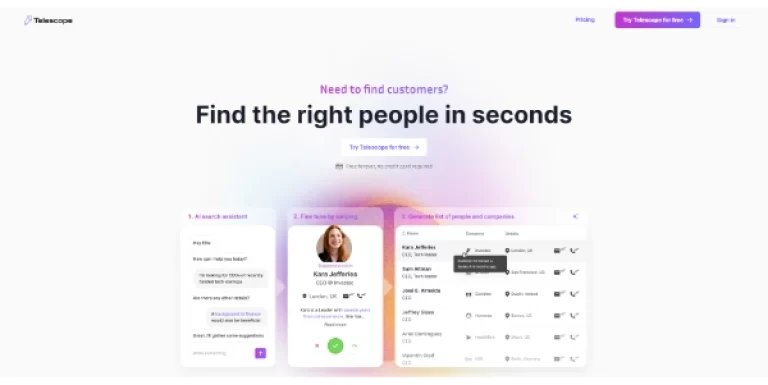
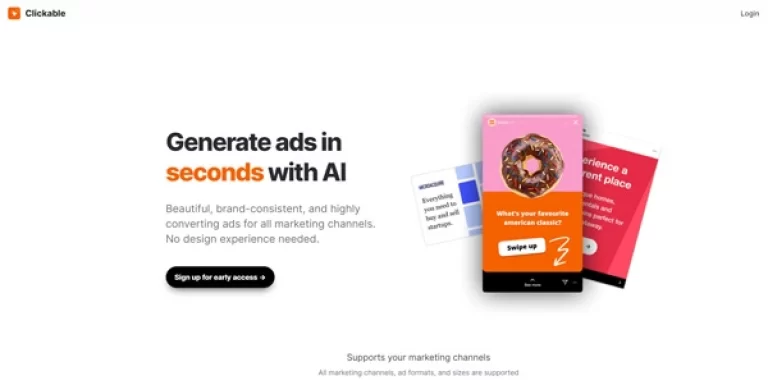
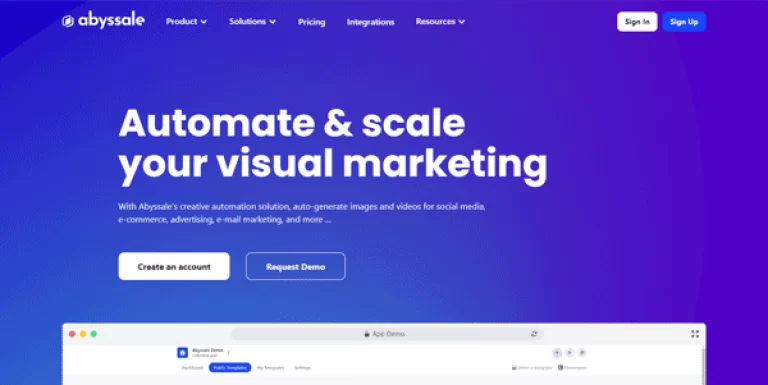
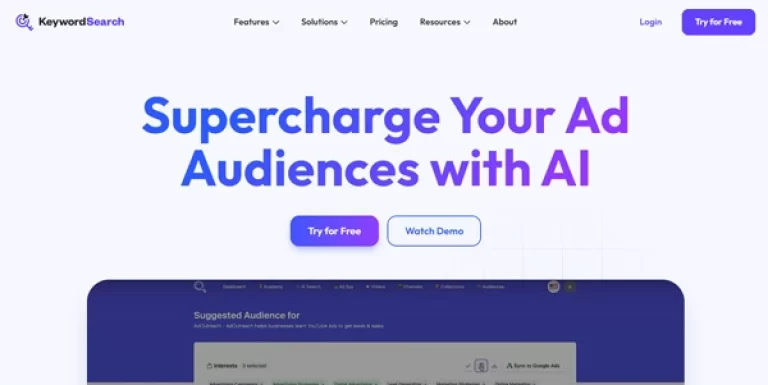
Explore relevant AI tools and compare their features, pricing, and fit for your workflow.

FAQ

Questions about Best Ai Tools For Small Business Marketing

What AI tools should a small business use for marketing?

Start with tools for writing, local SEO, social content, email follow-up, CRM notes, simple design, video clips, and analytics before adding complex automation.

Can AI help small businesses get more leads?

Yes, AI can improve landing pages, content, follow-up, email campaigns, ads, and local SEO, but results depend on clear offers, tracking, and consistent execution.

Are free AI marketing tools enough for small businesses?

Free tools can help with early drafts and simple tasks, but growing businesses may need paid features for brand controls, exports, integrations, collaboration, and higher usage limits.