Keep comparing
Move from this focused guide into broader AIForest discovery paths.
Hurry up — get early exposure, backlinks, traffic, and reach thousands of AI enthusiasts before slots fill up.
Use this Midjourney alternative guide to compare image generators for design, marketing, product visuals, concept art, and brand-safe creative work.
Who this helps
Designers, marketers, creators, ecommerce teams, agencies, founders, and artists comparing AI image generation tools.
Common use cases
How to compare
Directory paths
Use these high-intent paths to compare tools by workflow, alternative, or founder listing intent.
Move from this focused guide into broader AIForest discovery paths.
List or improve an AI product that belongs near Midjourney Alternative.
Alternative comparison guide
Midjourney is often a serious shortlist option because it is known for high-quality image generation, expressive visual styles, prompt-driven exploration, and concept development. A search for a Midjourney alternative usually means the buyer already understands the category and is looking for a better fit, lower cost, different workflow, or less friction. That is a stronger purchase-intent signal than a generic best-tools query.
The main reasons to compare alternatives are editing control, commercial usage terms, team workflow, prompt interface preference, brand consistency, pricing, or need for a more production-friendly image pipeline. A good alternative page should not simply list competitors. It should explain when Midjourney still makes sense, where it may be limiting, and which alternative patterns are worth testing before a team changes tools.
Start with image quality, prompt control, style consistency, inpainting or editing, references, aspect ratios, upscaling, batch workflow, and asset export. The right feature set depends on the work being repeated every week, not the longest marketing checklist. Compare how each product handles the source material, generates output, supports revisions, exports finished work, and fits the surrounding software stack.
Feature depth also includes control. A strong alternative should let users provide examples, preserve useful context, collaborate with teammates, recover from weak outputs, and understand why a recommendation was produced. If a tool only performs well in a demo prompt, it may not survive real production work.
Pricing should be judged through generation limits, fast versus relaxed queues, commercial rights, team seats, private generation, storage, and whether the plan supports production volume. Do not compare subscription prices alone. AI tools can differ on seats, credits, generation limits, model access, exports, storage, collaboration, API usage, and admin controls. A cheaper plan can become expensive if it creates more review work or forces manual handoffs.
Verify current pricing directly on official product pages before buying because AI plans change quickly. For purchase-intent pages, the durable question is whether the alternative gives the buyer the right balance of output quality, predictable limits, team control, and total workflow cost.
Midjourney is usually strongest when visual exploration and polished creative output matter more than strict layout control or direct integration with a design system. These advantages matter because switching tools has a cost. If the product already fits the team's daily workflow, the best decision may be to improve prompts, templates, governance, or integrations instead of replacing it.
The product also benefits from user familiarity. Teams that have already built habits around a tool may move faster because they know its quirks, review needs, and export paths. Any alternative needs to beat that existing comfort by solving a specific problem, not just looking newer.
Midjourney may be a weaker fit when teams need precise editing, repeatable brand assets, transparent rights workflows, API access, easier collaboration, or stronger control over product and marketing visuals. These limitations are not always product failures; they may simply reveal a mismatch between the buyer's workflow and the product's center of gravity. The important thing is to name the mismatch before procurement or migration starts.
Watch for hidden costs such as correction time, missing integrations, weak exports, confusing permissions, limited collaboration, stale context, or outputs that need heavy rewriting. Those issues often matter more than headline model quality because they decide whether a tool becomes part of the operating rhythm.
The best alternatives usually fall into general image generators, design-suite AI tools, open-source generation workflows, product-photo tools, and image editors with generative features. A focused shortlist should include one close substitute, one specialist tool, and one workflow-adjacent option. That mix keeps the evaluation honest: some buyers need a similar product with different pricing, while others need a narrower tool that handles one job better.
Prioritize alternatives with consistent outputs, rights clarity, editing depth, brand controls, predictable limits, collaboration support, and export quality. Then test them using one brand campaign visual, one product image, one style-consistent set, one edit request, and one export into the team's design workflow. The winner is the product that reaches an approved result with the least friction, not necessarily the one with the most recognizable brand or the largest feature page.
Explore relevant AI tools and compare their features, pricing, and fit for your workflow.
FAQ
The best alternative depends on your workflow, budget, integrations, review needs, and output quality requirements. Test close substitutes and specialist tools with the same real task before choosing.
Consider switching when pricing, workflow fit, collaboration, exports, privacy terms, or correction time consistently block the work you need to complete.
Compare current plan limits, seats, credits, exports, admin controls, and review time. The cheapest subscription is not always the lowest-cost workflow.

Automatic generation of images that can be used in any type of project: social networks, art, web design, etc.
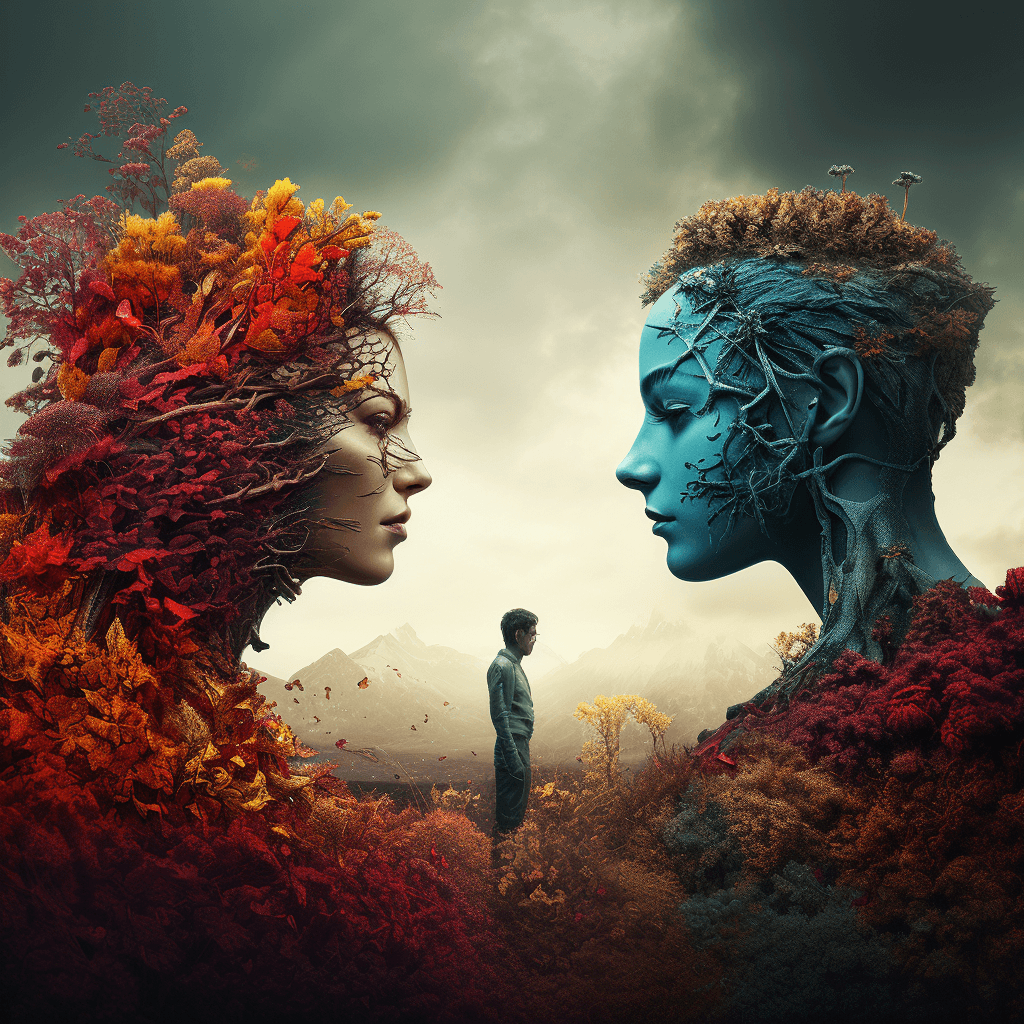
Generation of artistic images and designs that leverage your imagination and creativity

A website to quickly create transparent PNG images from a prompt. Ideal for designers, marketers, graphic artists, etc.
A text-to-image model based on Transformer to generate high-quality images. Innovative design reduces costs and CO2 emissions
Easily create logos, business cards, social networking banners or e-mail signatures with thousands of customizable templates. This premium platform features a host of AI tools dedicated to design

AI-based service helps create unique, eye-catching book covers
Automatic generation of images and digital art that can be printed on a giant poster or board

An image generator that can work with plugins. Automatic sharing on social networks


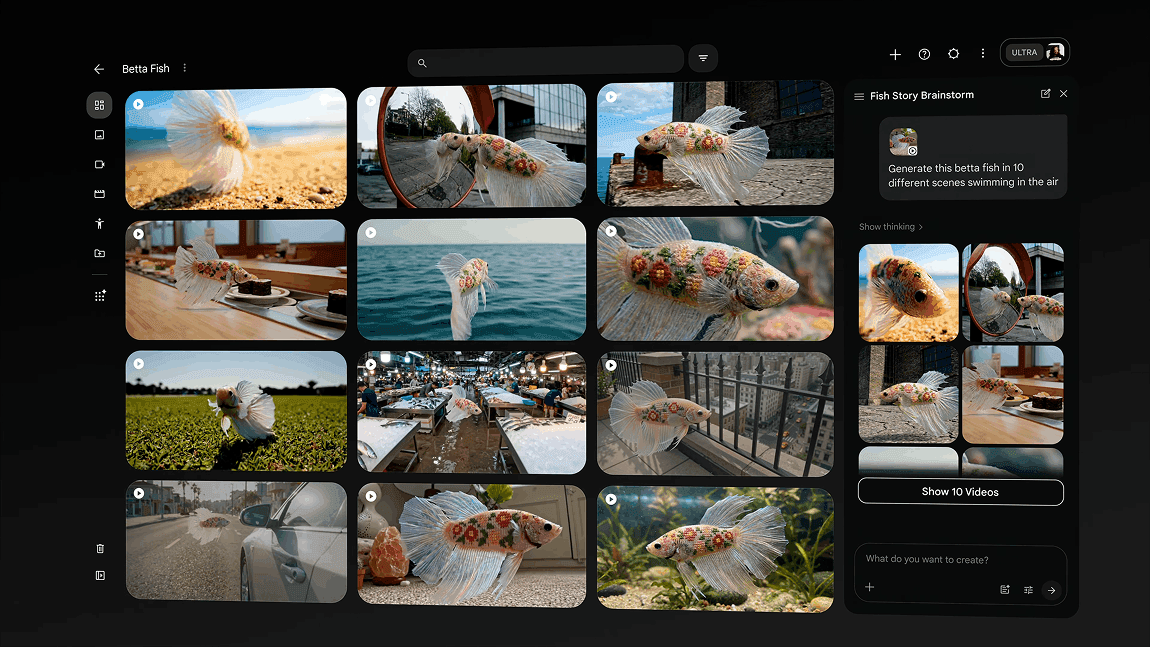
Create cinematic videos, scenes, and stories with this new AI tool designed for Veo, Imagen, and Gemini. Produce consistent cinematic scenes, natural transitions, and professional visual storytelling directly in Flow

Add a bot to the Midjourney Discord and quickly vectorize any image you generate

Install the popular Stable Diffusion image generator in just one click. The tool also lets you use models, LoRA, VAE, CLIP and more.
Quickly train your own LoRA models for image generation with Flux Dev. Possibility to adapt existing models and save time
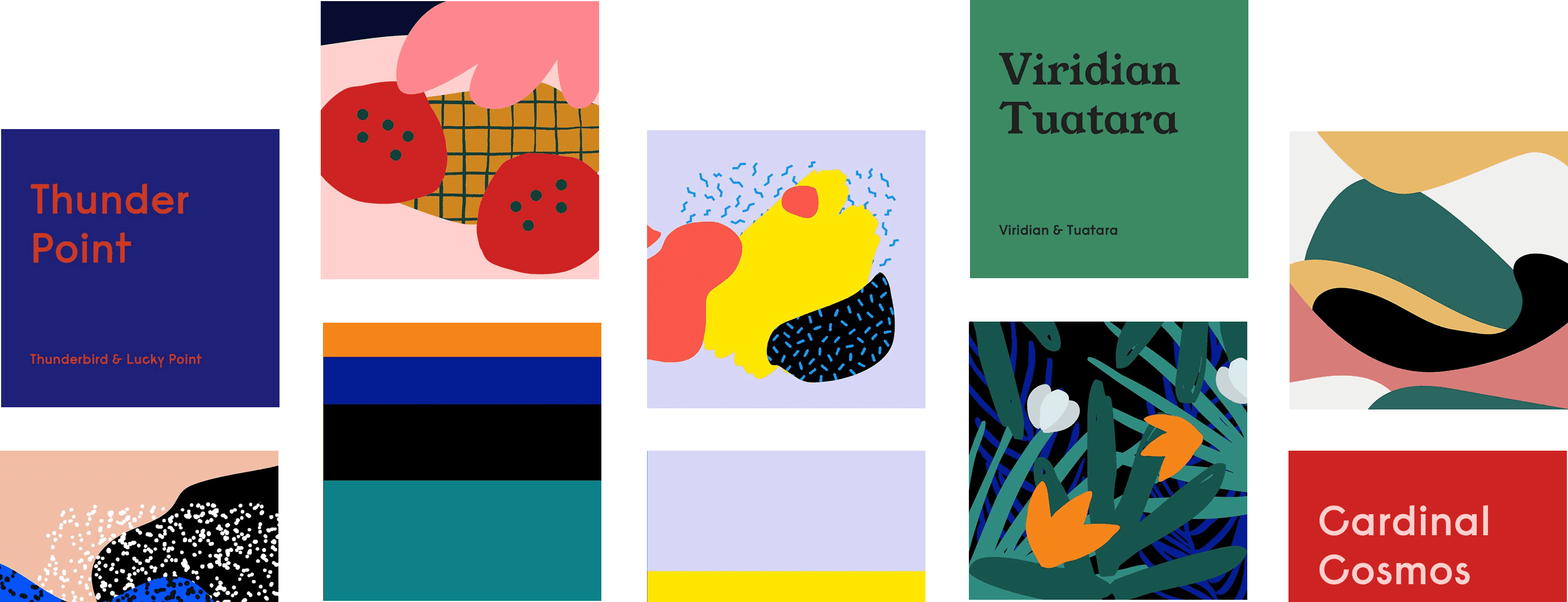

An image generator with numerous customization options. Rapid creation of high-quality visuals for commercial use
Turns your ideas into custom tattoo designs with AI, perfect for exploring unique styles before visiting a tattoo artist

AI-based visual design platform offering various tools for individual and professional use

A complete AI image generator for creating comics and illustrations. Transform your ideas into original visual works with a variety of artistic styles and customizable models

An open-source, community-based interface for easy AI image generation
An easy-to-use platform for rapid image generation. The site uses generative templates from Stability.ai
An Imagen 2-based image generator that produces high-quality illustrations. Operates via a prompt on an intuitive interface

Draw what you want, then ask Gemini to modify parts of your design. For example, you can add text or modify graphic elements in your illustration
An image generator that works from your drawings. Draw your sketch and watch the image being built in real time with AI
Immerse yourself in the world of anime art with an image generator that works with styles and models