Detailed comparison
ChatGPT vs Microsoft Copilot: which should you choose?
Short answer
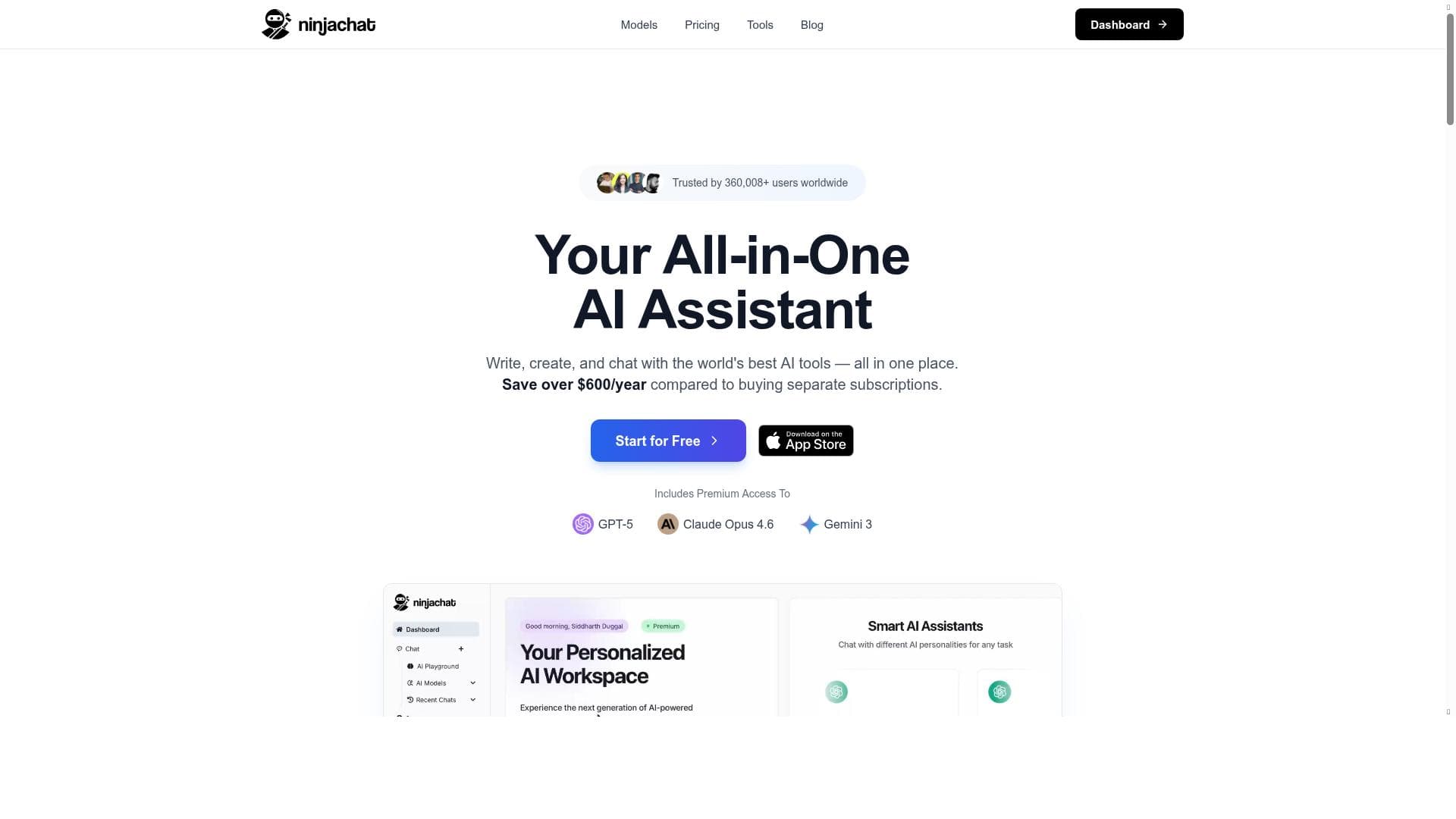
ChatGPT and Microsoft Copilot overlap across question answering, current web research, writing, summarization, brainstorming, image creation, voice interaction, and everyday productivity, but they are designed around different centers of gravity. ChatGPT is commonly approached as a broad AI workspace for conversation, web research, files, data analysis, writing, coding, images, voice, projects, and agentic tasks. Microsoft Copilot is commonly approached as an accessible AI companion for answers, web research, writing, images, voice, and work that benefits from Microsoft devices and services. That means the better option is rarely determined by a generic feature checklist. It depends on whether your daily work begins with the kind of context, output, and collaboration model that each product handles most naturally.
ChatGPT is usually evaluated as a flexible destination for many kinds of AI work, while Microsoft Copilot is often evaluated through the convenience of an assistant distributed across the Microsoft environment. A useful decision starts by identifying the job you repeat every week, the source material involved, and what a successful output looks like. Then test both products with that same work. Product capabilities and plan limits change frequently, so this guide focuses on durable workflow differences rather than temporary model names, promotional pricing, or individual features that may move between plans.
Where ChatGPT fits best
ChatGPT is often strongest when one task needs to continue through several modes of work. A user can explore a question, inspect uploaded material, revise a document, analyze data, create a visual, or organize a longer project without treating each stage as a separate product decision. This is especially valuable when users want to begin working quickly instead of designing a complex process first. A product can have powerful technology and still be the wrong choice if people struggle to reach a useful result. The practical advantage comes from how naturally the tool turns an ordinary request into something that can be reviewed, edited, shared, or used in the next step.
ChatGPT is also worth considering when the surrounding workflow already matches its product philosophy. Look beyond a successful one-off prompt and ask whether the tool remains useful across a full week of work. Test how it handles follow-up instructions, revisions, incomplete inputs, and a request that changes halfway through. A dependable product should help users keep context and improve the result without forcing them to rebuild everything from the beginning.
Where Microsoft Copilot fits best
Microsoft Copilot can be especially convenient for people who already live across Windows, Edge, and Microsoft productivity apps. The value is not only response quality; it is how quickly the assistant can become available near browsing, files, communication, and familiar daily software. The benefit becomes clearer when the tool is evaluated as part of a complete workflow rather than as a response generator. Consider how users bring in source material, organize ongoing work, refine outputs, and move the result into the software where the task is ultimately completed. Fewer handoffs and less copying can matter more than a small difference in the quality of a single generated answer.
Microsoft Copilot may therefore be the stronger choice for users whose priorities match that workflow. It should still be tested against real constraints: brand rules, required formats, existing files, collaboration expectations, and the amount of review a team can support. The best AI product is not the one that produces the most output. It is the one that consistently produces useful work while keeping the user in control of important decisions.
Quality, control, and daily workflow
Both products can support question answering, current web research, writing, summarization, brainstorming, image creation, voice interaction, and everyday productivity, so compare the amount of control available before, during, and after generation. Can you provide examples and reference material? Can you revise one part without disturbing the rest? Does the product preserve useful context across a longer project? Can a teammate understand how the result was created? These questions reveal whether a tool supports repeatable work or only looks impressive in a carefully selected demonstration.
Output quality should be measured by the time required to reach an approved result. A polished first draft can still be expensive if it contains unsupported claims, ignores instructions, or is difficult to edit. A rougher first draft may be more valuable if the product makes revision fast and predictable. Track accuracy, consistency, editing time, failed attempts, and the percentage of outputs that can move forward after normal human review.
How to compare them fairly
Build a small benchmark using a cited web brief, a spreadsheet or file analysis, a multi-round writing project, an image request, and a task that begins in the browser but must end in a productivity document. Give both tools the same context, constraints, examples, and output format. Run each task more than once so a lucky response does not decide the result. Score the outputs for instruction following, factual reliability, usefulness, editability, and time saved. Keep the reviewers blind to the product when possible; brand familiarity can otherwise influence which answer feels stronger.
Then evaluate Microsoft 365 fit, project organization, file support, source visibility, model and feature limits, administration, privacy, regional availability, and export requirements. Confirm how data is retained and used, what administrators can control, whether work can be exported, and how the product behaves when a user reaches a limit. Include the cost of training, review, integrations, and correction rather than comparing subscription prices alone. Before purchasing, verify current pricing, regional availability, commercial terms, and plan-specific limits directly on each official product site.
Bottom line
Choose ChatGPT if you want a broad, project-oriented AI workspace that can move between research, files, analysis, creation, coding, and longer iterative tasks. Choose Microsoft Copilot if you value quick access across Microsoft devices and services and want an assistant close to browsing, communication, documents, and everyday questions. If both descriptions sound relevant, use them side by side for one real project and assign each a clear role. Some teams get better results from a primary tool plus a specialist than from trying to force every task through one platform.
Whichever product you choose, keep a person accountable for the final output. AI can accelerate research, drafting, design, analysis, and production, but it can also produce confident errors or generic work. Document the prompts and review rules that succeed, train users on sensitive-data boundaries, and revisit the decision as the products evolve. The strongest choice is the one that improves a measurable workflow without weakening quality, trust, or ownership.