Practical use-case guide
How to choose and use ai tools for consultants
What ai tools for consultants actually do
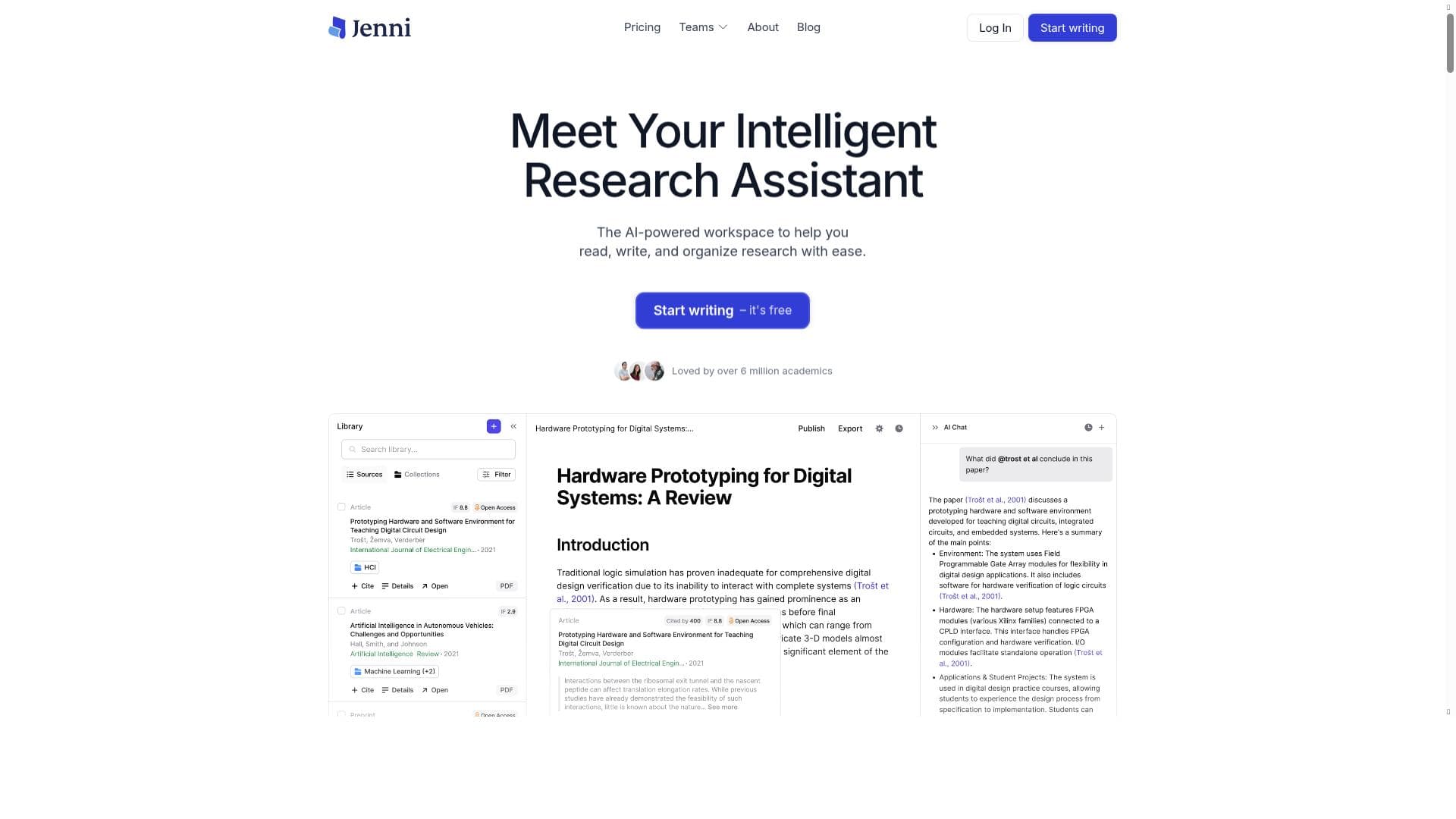
AI Tools for Consultants help independent consultants, analysts, strategists, agencies, and advisory teams reduce the manual effort involved in researching markets, synthesizing interviews, preparing proposals, analyzing evidence, creating presentations, and managing client knowledge. The useful products in this category do more than generate a paragraph on demand. They can organize information, create a first draft, extract details from source material, recommend a next action, or move routine work between systems. The result should be a shorter path from raw information to a reviewed, usable outcome. AI is most valuable here when it removes repetitive preparation while leaving judgment, approval, and accountability with a person.
A practical workflow normally begins with interview notes, client documents, research sources, spreadsheets, project briefs, frameworks, and approved firm knowledge. The AI tool processes that context and helps produce research briefs, coded themes, proposal drafts, analysis summaries, slide outlines, meeting actions, and reusable knowledge. That distinction matters because generic prompts usually create generic results. Teams get better outcomes when they provide examples, constraints, terminology, approved source material, and a clear definition of success. The tool should support an existing process rather than inventing facts or silently changing how important decisions are made. Treat its output as a draft, recommendation, or classification that still belongs inside a controlled human workflow.
The highest-value use cases
The strongest starting points are summarizing interviews, comparing competitors, structuring proposals, drafting hypotheses, preparing workshops, and creating first-pass narratives. These jobs are frequent enough to create measurable savings, but bounded enough that a reviewer can quickly recognize a bad result. That makes them better early candidates than vague goals such as “automate the department.” A narrow use case also makes product comparison easier: teams can give every shortlisted tool the same source material, request the same output, and measure which option saves time without lowering quality.
Look for work that is repetitive, text- or data-heavy, and currently slowed by searching, reformatting, summarizing, or producing a first draft. Avoid beginning with rare edge cases or decisions where an error could immediately harm a customer, patient, employee, or business. A useful AI rollout creates capacity for higher-value human work. It should not create a second hidden job in which someone spends more time correcting weak output than the original task would have required.
How to build a reliable workflow
Map the current process before choosing software. Record who starts the task, what information they use, which rules they follow, who approves the result, and where the finished work is stored. Then place AI at one specific step. For example, it may summarize incoming material, suggest a structured draft, classify a request, or prepare options for review. Keeping the boundary visible makes failures easier to diagnose and prevents an assistant from quietly becoming an uncontrolled system of record.
Create a reusable input template with required context, prohibited claims, output format, tone, and review instructions. Save a small set of excellent examples so users know what acceptable work looks like. Connect the tool to other systems only after the manual version is dependable. Automation magnifies both good and bad processes. A reviewed draft copied into the next system may initially be safer than an autonomous workflow that publishes, messages, schedules, or updates records without a clear approval step.
How to choose the right tool
Evaluate products around source traceability, document capacity, analytical control, presentation export, collaboration, client separation, and confidentiality safeguards. A polished demo is not enough. Use realistic files and prompts, including incomplete inputs and awkward edge cases. Compare accuracy, editing time, consistency, source handling, export options, integrations, permissions, and the clarity of any usage limits. Ask whether the product explains uncertainty and whether users can correct the result without rebuilding the entire workflow. The best tool is often the one that produces dependable work with the least supervision, not the one with the longest feature list.
Review total cost rather than subscription price alone. Include setup, training, integrations, usage-based charges, human review, and the cost of correcting errors. Check whether the product works with the software your team already uses and whether data can be exported if you leave. For team adoption, confirm role controls, shared templates, audit history, and support. Before purchasing, verify current pricing and product capabilities directly because AI plans, model access, and limits change frequently.
Privacy, quality, and human review
The main risks include fabricated evidence, accidental client-data mixing, generic recommendations, confidential information exposure, and unsupported conclusions. Decide what information users may enter before the first trial. Sensitive records, confidential agreements, payment details, private customer data, and regulated information may require a specific contract, security review, restricted workspace, or complete exclusion. Read the provider's current data retention and training terms, confirm where information is processed, and document who can access the account. Convenience should never turn an unapproved consumer account into a shadow database.
Quality controls should match the consequence of an error. Low-risk brainstorming may need a quick review, while public claims, financial figures, health information, hiring decisions, or customer commitments require verification against authoritative sources. Keep a person responsible for the final result. Teams should also watch for biased language, invented details, stale information, and outputs that sound convincing without evidence. A clear escalation path lets users stop and ask for expert review when the tool is uncertain or the case falls outside normal rules.
A practical rollout plan
Start with one internal or low-risk engagement deliverable such as interview synthesis with citations and senior consultant review. Run the pilot for two to four weeks using a small group that understands the existing process. Capture the original time required, the AI-assisted time, the number of corrections, and the percentage of outputs accepted after review. Collect examples of both excellent and unacceptable results. Those examples are more useful than general satisfaction scores because they reveal which instructions, inputs, or product limitations are driving performance.
Measure success through research time, synthesis speed, proposal turnaround, revision rounds, utilization, knowledge reuse, and client-quality scores. If the pilot works, turn the best prompts and review rules into a documented operating procedure. Train additional users with real examples, assign an owner, and review performance on a schedule. Expand to a second workflow only after the first one remains reliable. This staged approach protects quality while creating evidence for further investment. The goal is not maximum AI usage; it is a repeatable system that saves time, improves service, and remains understandable to the people accountable for the work.